The Democratic Republic of the Congo (DRC) is positioned at the absolute center of the global green energy transition. As the world's leading producer of cobalt—an essential element in lithium-ion battery chemistries—and home to massive copper deposits required for electric motor windings and grid wiring, the DRC is the engine room of global decarbonization. However, the domestic transportation sector within the DRC has historically lagged in implementing the very technology it helps create.
In recent years, a systemic shift has begun. Industrial mining complexes in the Katanga and Lualaba provinces, international non-governmental organizations (NGOs) headquartered in Kinshasa, and logistics companies routing freight through the Southern African Development Community (SADC) corridors are rapidly adopting electric mobility. Electrifying commercial fleets, heavy-duty mining machinery, and urban staff buses represents a major opportunity to bypass expensive, imported petroleum fuels.
For this electrification to succeed, the installation of robust, electrically isolated, and physically resilient EV charging infrastructure is paramount. As a premier exporter of global-standard EV charging plug types, Hangzhou Zap Charger Co., Ltd. is providing the technical baseline needed to transition the DRC's commercial transport.
Selecting the correct charging interface determines the speed, safety, and compatibility of any EV fleet deployment. Globally, the market is divided into three primary standards, each with specific design properties and electrical capabilities:
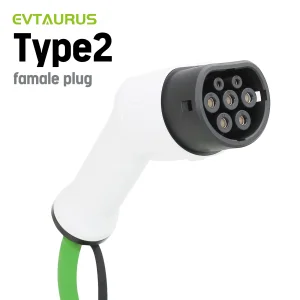
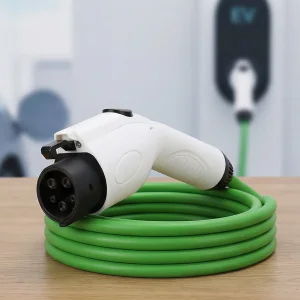
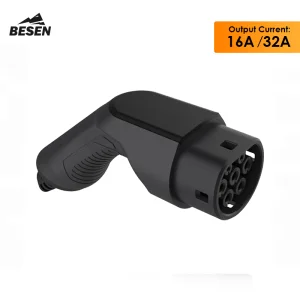
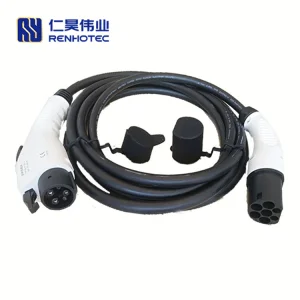
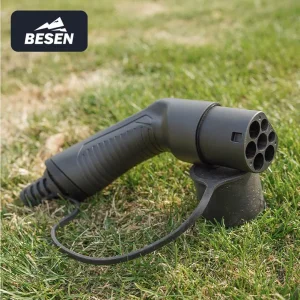
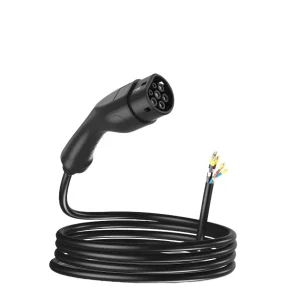
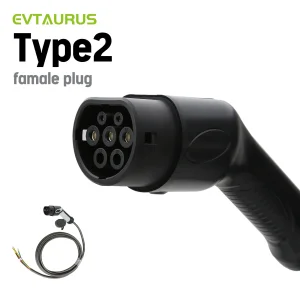
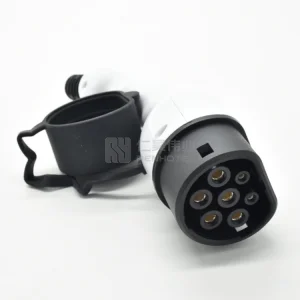
The Type 2 connector is the dominant standard across Europe and has become the de facto baseline for electric vehicles in the African continent, including the DRC. Supporting both single-phase (up to 7.4 kW / 32A) and three-phase AC power configurations (up to 22 kW / 32A or even 43 kW / 63A in specific applications), the Type 2 interface features seven pins. The three-phase compatibility makes it ideal for the industrial power grids commonly found in DRC mining offices and logistics warehouses.
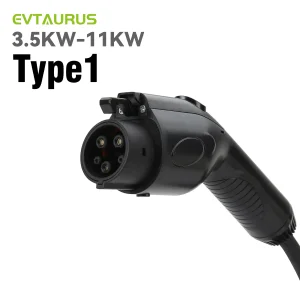
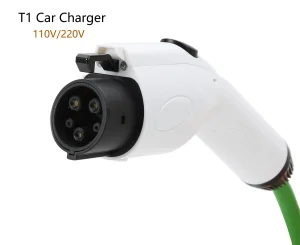
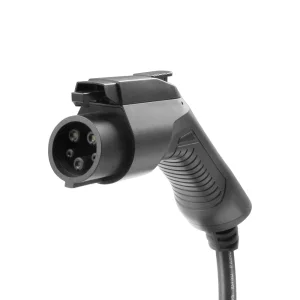
Commonly used in North America and Japan, the Type 1 connector is a five-pin interface supporting single-phase AC charging up to 19.2 kW (80A) in residential and light commercial settings. In the DRC, Type 1 ports are primarily found on imported utility vehicles and pre-owned Japanese/American electric passenger cars.
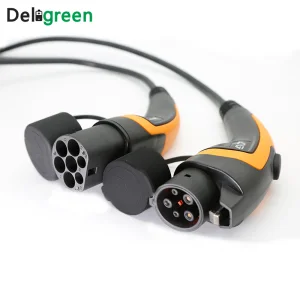
For heavy commercial machinery and regional transport buses, high-speed DC charging is necessary to maintain route schedules. The CCS2 (Combined Charging System Type 2) extends the AC Type 2 plug with two large DC pins to enable charging rates up to 350 kW. Simultaneously, Chinese-manufactured heavy machinery imported for mining concessions frequently utilizes the GB/T DC charging standard.
| Plug Standard | Phase Configuration | Max Current | Max Voltage | Best Applications in DR Congo |
|---|---|---|---|---|
| Type 2 (IEC 62196-2) | 1-Phase / 3-Phase | 32A (Up to 63A) | 480V AC | Industrial facilities, commercial depots, corporate offices, public chargers. |
| Type 1 (SAE J1772) | 1-Phase | 32A (Up to 80A) | 240V AC | Imported passenger cars, legacy NGO fleets, localized hybrid systems. |
| CCS2 (DC Fast) | Direct Current | 200A - 500A | 1000V DC | Heavy logistics haulers, mining dump trucks, public bus transit routes. |
Electrification in the DRC is driven by local environmental and operational requirements. The application of EV charging plug technologies can be broken down into three distinct operating scenarios:
Case Study focus: The Katanga Copper Belt
In remote mining installations situated over 200 kilometers from the nearest municipal center, access to diesel fuel is highly vulnerable to transport disruptions and high import tariffs. Integrating solar arrays with large-scale battery energy storage systems (BESS) allows operators to establish self-sustaining microgrids. Using industrial-grade Type 2 and CCS2 charging plugs ensures these operations can charge support vehicles and light machinery directly from solar power, dramatically lowering fuel costs and greenhouse emissions.
In dense urban environments, electric passenger shuttles, delivery vans, and government fleet vehicles represent the primary targets for electrification. These vehicles operate on predictable daily routes and charge overnight at central bus depots. By utilizing high-power Type 2 AC charging plugs, fleet operators can draw power during off-peak hours from the SNEL (Société Nationale d'Électricité) grid or private distribution systems, reducing demand charges and optimizing infrastructure costs.
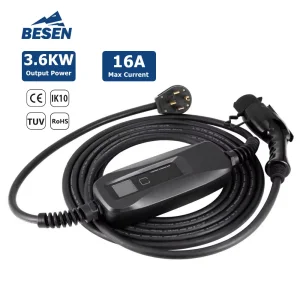
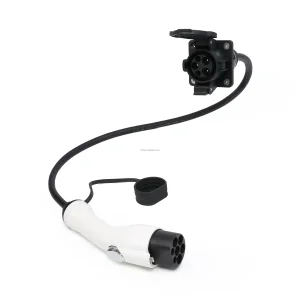
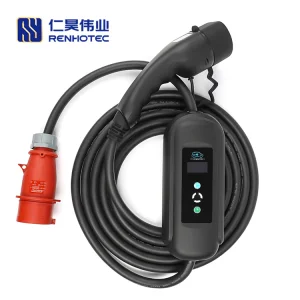
The DRC hosts numerous international humanitarian organizations that manage extensive fleets of utility and off-road vehicles. Because these organizations operate in challenging environments with unreliable power grids, they rely on portable EV chargers. Using portable Type 2 to Schuko charging boxes allows field teams to plug into standard utility sockets or portable diesel generators to charge their utility vehicles.
Deploying high-current electrical equipment in the DRC requires special engineering considerations. The local operating environment presents several specific challenges:
As a major industrial manufacturer in Hangzhou, China, Hangzhou Zap Charger Co., Ltd. leverages a highly integrated manufacturing ecosystem to produce advanced EV charging technology. Our supply chain resilience is built upon several core strengths:
1. Advanced Material Science: We use high-grade copper alloys with premium silver plating on our contact pins. This configuration minimizes electrical resistance, reduces heat generation during high-power charging, and extends the operational lifespan to more than 10,000 insertion cycles.
2. Vertical Integration & OEM/ODM Versatility: By managing the entire production process—from cable extrusion and contact pin machining to final assembly and automatic testing—we maintain strict quality control. This integration allows us to offer customized cable lengths, specialized branding, and tailored electrical specifications to meet the specific requirements of our clients in the DRC.
3. Rigorous Quality Certification: All of our export products comply with international standards, including CE, TUV, and IEC 62196. This compliance ensures that our connectors can be safely integrated into any global vehicle platform or commercial charging network.
Integrating EV charging infrastructure into the DRC's electrical system requires compliance with local and international regulatory frameworks. Importers must work with the Office Congolais de Contrôle (OCC) to ensure that incoming electrical products meet safety standards. Zap Charger supports this process by providing comprehensive documentation, including technical drawings, electromagnetic compatibility (EMC) test reports, and electrical safety certifications.
Looking forward, the integration of smart charging protocols like OCPP (Open Charge Point Protocol) will allow operators to manage and monitor their chargers remotely. This capability is especially valuable for remote mining and forestry concessions, enabling maintenance teams in regional offices to diagnose issues and update firmware over the air, reducing downtime.
 Zap Charger